
Explosion-Proof Electrical Apparatus
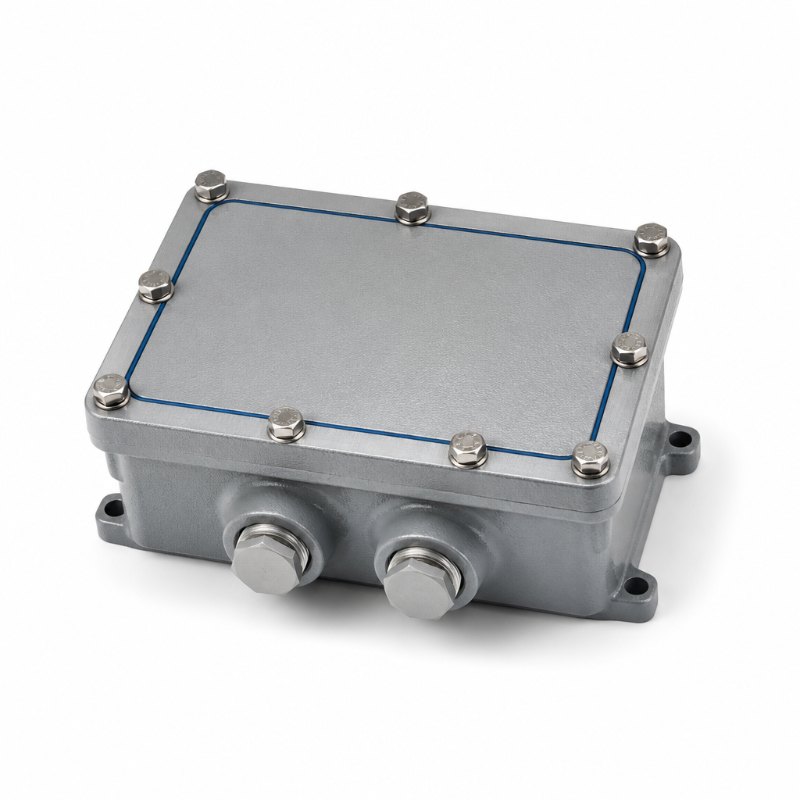
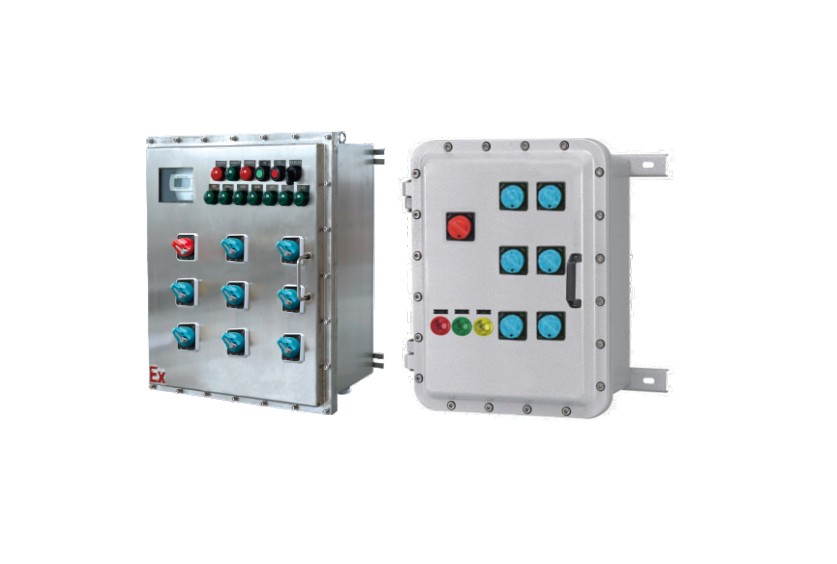
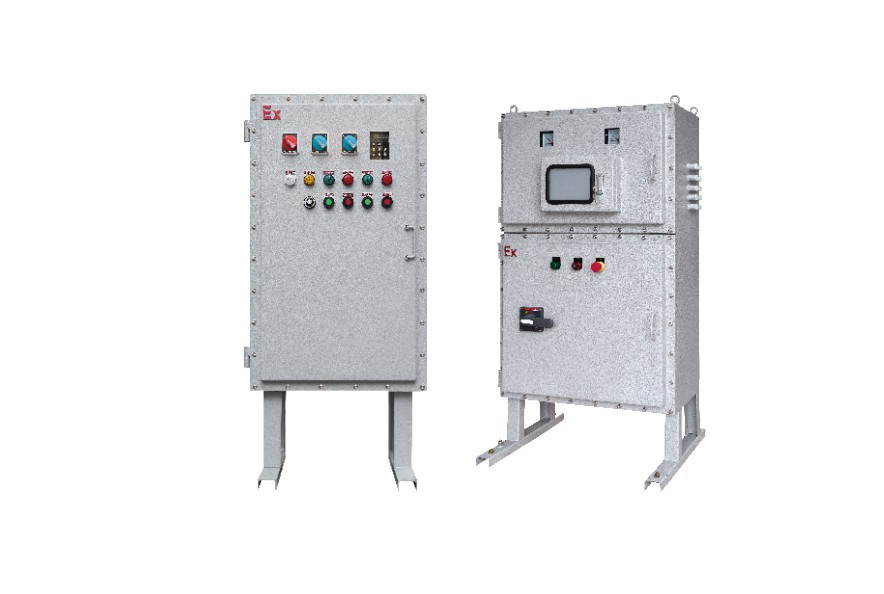
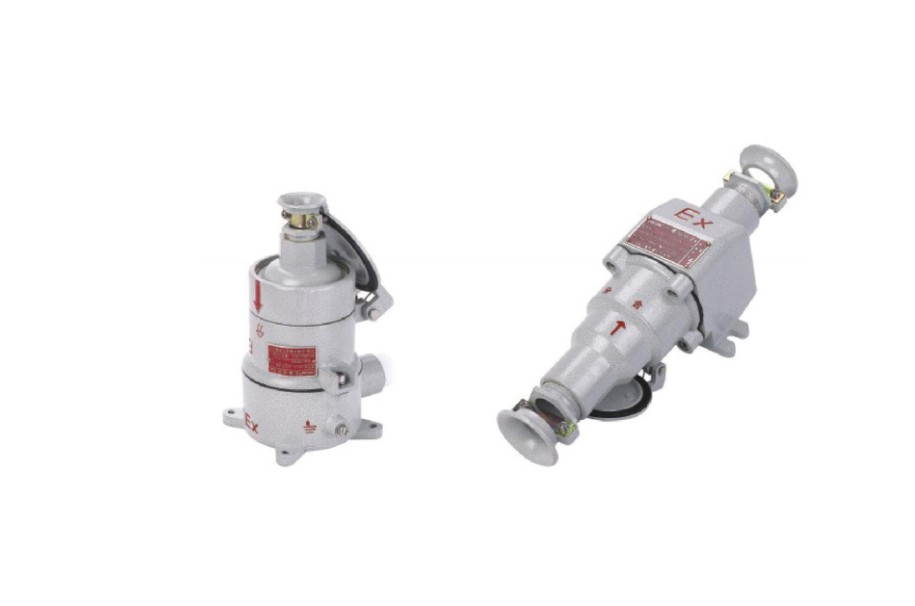
Junction and distribution boxes, control stations, switches, plugs and sockets, cable glands and accessories for classified areas.
Explosion-Proof Electrical Apparatus — product range
Enclosures, control stations, switches, plugs and sockets, glands and accessories for Zone 1 / Zone 2 installations — protection types Ex d, Ex e and Ex nA, IP66, AC 220 / 380 V, ambient −40 to +55 °C. Housings in die-cast aluminium, GRP or stainless steel 316L.
Other apparatus, sizes and thread standards are available to order. Tell us the zone, circuit count, cable outside diameter and thread standard and we will confirm the closest arrangement.
Request a quote
Send the zone, circuit count, cable outside diameter and thread standard (NPT / G / metric) for an indicative specification.
What the range covers
Classified-area electrical work is a system, not a list of parts. A junction box is only compliant with the right glands; a control station is only useful if the cable entry matches the cable; a distribution panel is only certifiable if the devices inside it are covered by the marking. Our electrical apparatus range is organised around that fact:
| Group | Protection | Where it is normally used |
|---|---|---|
| Junction boxes | Ex e / Ex d IIC T6 | Terminating and looping instrument, control and lighting circuits |
| Distribution boxes and panels | Ex d IIC T6 / Ex e | Lighting distribution, local power distribution, motor starters |
| Control stations and switches | Ex d IIC T6 / Ex e | Local start / stop, selector and emergency-stop functions |
| Plugs and sockets | Ex db eb IIB / IIC T4 Gb | Maintenance power, portable tools and welding sets (16–63 A) |
| Cable glands and sealing fittings | Ex d / Ex e | Closing every entry so that the enclosure keeps its IP and its marking |
| Accessories | — | Breathers, drains, stopping plugs, adapters and reducers |
Housings are supplied in die-cast aluminium, GRP or 316L stainless steel, all rated IP66, for AC 220 / 380 V systems and an ambient range of −40 to +55 °C.
Zone 1 or Zone 2 — the decision that fixes everything else
Everything downstream follows from the area classification. Zone 1 needs equipment that is safe in normal operation and under a defined fault: flameproof (Ex d) or increased safety (Ex e). Zone 2 accepts the same equipment, and also permits non-sparking designs (Ex nA / Ex ec) where the classification allows it. Choosing the marking before choosing the products keeps a project from buying Zone 1 hardware for a Zone 2 area, or the opposite — which is worse, because it usually surfaces at inspection.
How to specify across the range
- Zone and gas group for every item, from the area classification drawing.
- Voltage, frequency and control voltage of the installation.
- Ingress protection required by the location: IP66 covers outdoor, dusty and wash-down positions.
- Material: aluminium for onshore industrial sites, stainless steel where corrosion or wash-down drives the decision, GRP where weight matters.
- Entries and glands: one thread standard for the whole project, sized to the actual cables.
- The market the plant is built in, so that the marking matches what the local inspector expects.
Why buy the system from one supplier
Boxes, glands, stopping plugs, stations and sockets that were designed as one family fit together. When they come from different suppliers, the interfaces are where the certification argument breaks down — a gland that is certified in isolation may still not be assessed as part of the enclosure it is fitted to. Ordering the assembly together also means one marking set, one set of drawings and one spares list for the maintenance team.
Frequently asked questions
Can I mix Ex e enclosures with Ex d glands?
Each item has to be suitable for the zone, and the combination has to be assessed as part of the assembly. In practice the gland, the entry and the enclosure are selected together rather than item by item.
Do you supply the devices inside the panels?
Panels can be supplied as enclosures only or as completed assemblies. Tell us which parts you intend to install yourself so that the marking stays valid.
What does IP66 cover?
Protection against dust ingress and against strong jets of water. It says nothing about corrosion resistance, which is why the material matters separately from the IP rating.
Which items are most often needed as spares?
Glands, stopping plugs and enclosure gaskets — the parts that are opened and closed during maintenance. Keeping them to the same thread standard as the installed equipment avoids adapters later.
Can you supply to a project specification?
Yes. Send the specification and the area classification drawing and we will confirm which items in the range satisfy it and where a built-to-drawing item is required.
What to send us for a quote
- Area classification drawing or the zone / gas group for each location
- Item list with quantities — boxes, stations, sockets, glands and accessories
- Voltage and control voltage
- Thread standard and cable sizes
- Material preference and required delivery date
Request a quote with the item list and we will return an indicative specification for the whole package.
See the range being built: our factory videos cover control-station assembly, casting of Ex enclosures and a full product-line walk-through.
Explosion-Proof Electrical Apparatus: Frequently Asked Questions
What our hazardous-area electrical range covers, and how the protection concepts differ.
What counts as explosion-proof electrical apparatus?
In our catalogue it covers the components that carry or switch power inside a hazardous area: control stations and push button assemblies, explosion-proof plugs and sockets, junction and distribution boxes, cable entries and glands, local isolators, pilot lights and terminal enclosures. They are normally supplied as Ex d, Ex e or Ex de equipment with IP66 protection and metric, PG or NPT entries.
What is the difference between Ex d and Ex e?
Ex d (flameproof) accepts that an internal explosion can happen: the enclosure contains it and cools the escaping gases so they cannot ignite the surrounding atmosphere, which is why flameproof joints and cable entries have strict dimensional rules. Ex e (increased safety) prevents ignition instead, by removing arcs and sparks, keeping terminal creepage and clearance generous and limiting temperature rise. Equipment that combines both, for example a flameproof contactor inside an increased-safety enclosure, is marked Ex de.
Which thread standards and sizes can you supply?
Metric (M16–M75), PG to DIN 40430 (PG9–PG48) and NPT to ANSI/ASME B1.20.1 (1/2 inch to 3 inch). Adapters, reducers and enlargers are available so new equipment can match the entries already drilled in an existing installation, which is usually cheaper than re-machining enclosures.
How do I confirm a component is compatible with my existing installation?
Compare five items against the existing nameplate and drawings: Ex marking and EPL, gas or dust group, temperature class, IP rating, and thread type and size. Send us a photo of the nameplate and the enclosure entry and we will confirm the matching item, or propose an adapter where the thread differs.
Question not answered here? Send it to our engineering team — we answer hazardous-area selection questions with the relevant standard referenced.
Related: junction boxes, distribution boxes, push button switches, plugs and sockets, cable glands and conduit fittings.