
Explosion-Proof Fans
Axial and exhaust ventilation fans with flameproof motors, built for safe air movement in classified spaces.
Explosion-Proof Fans — product range
Ventilation fans with flameproof motors for Zone 1 / Zone 2 spaces — motor protection Ex d IIC / Ex e, motor ingress protection IP54 / IP55, AC 220 / 380 V, ambient −20 to +50 °C, anti-static impeller and corrosion-resistant housing.
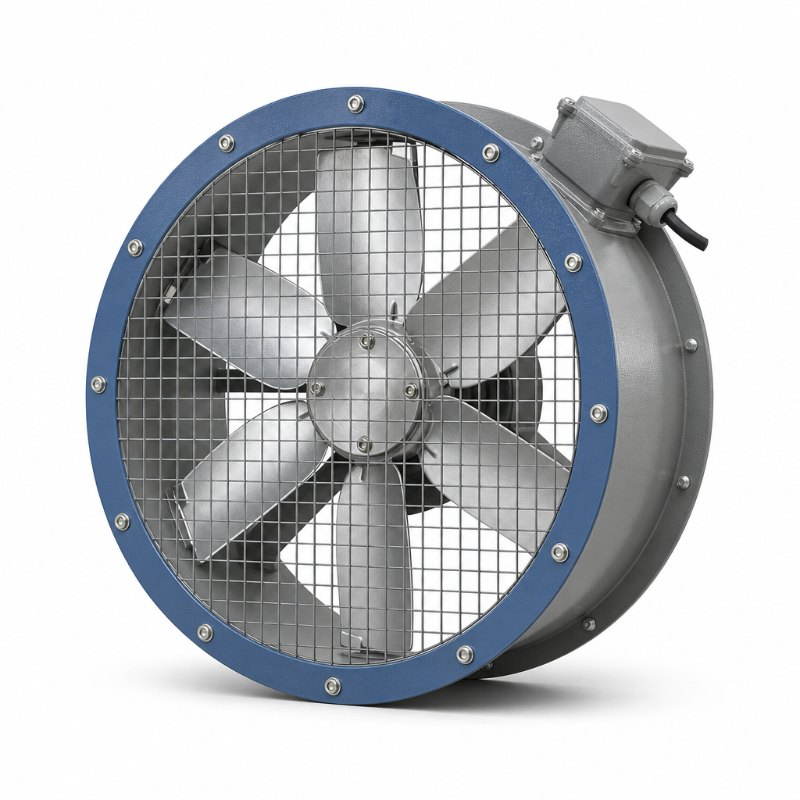
FB Series — explosion-proof oscillating fan
Flameproof oscillating fan for cooling workstations in Zone 1 / Zone 2 — Ex d IIB T4, high-strength aluminium impeller, 220 / 380 V AC.
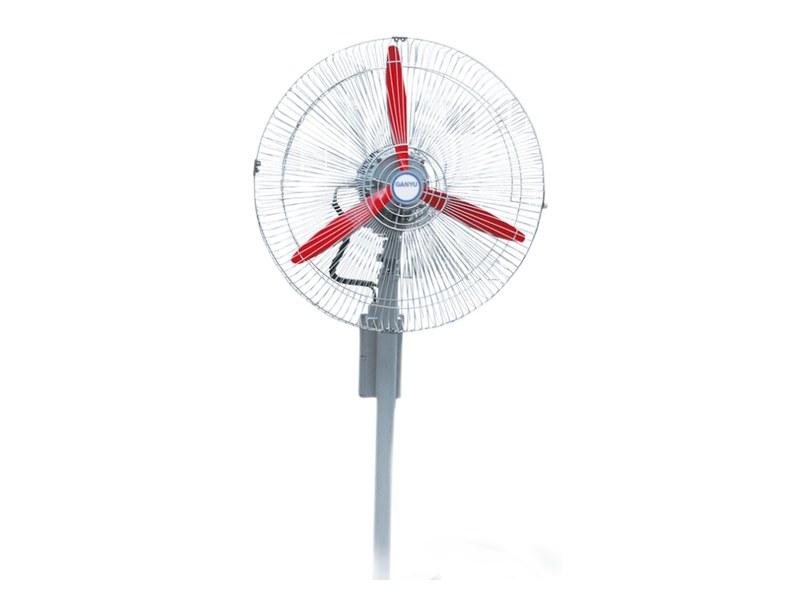 FB Series oscillating fanEx d IIB T4 · 85–300 m³/minView product ›
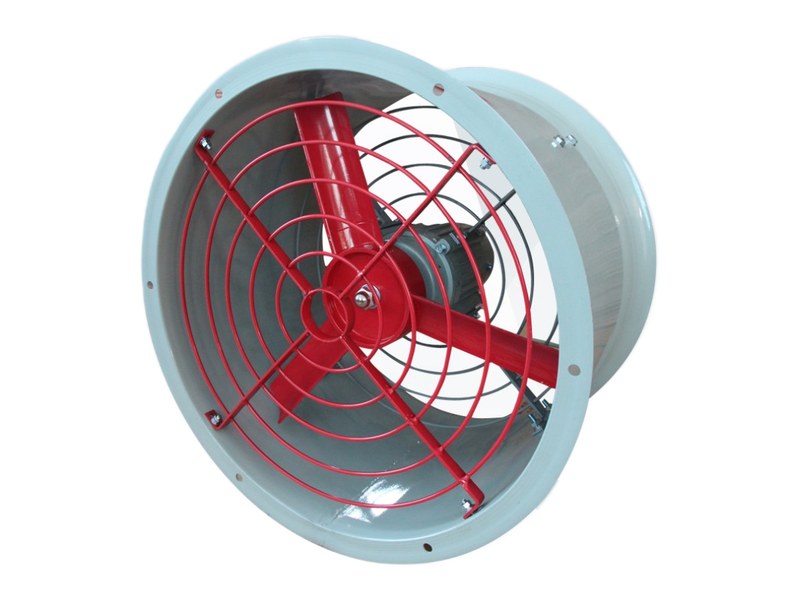 CBF Series axial fanEx d IIB T4 · 2280–10320 m³/hView product ›
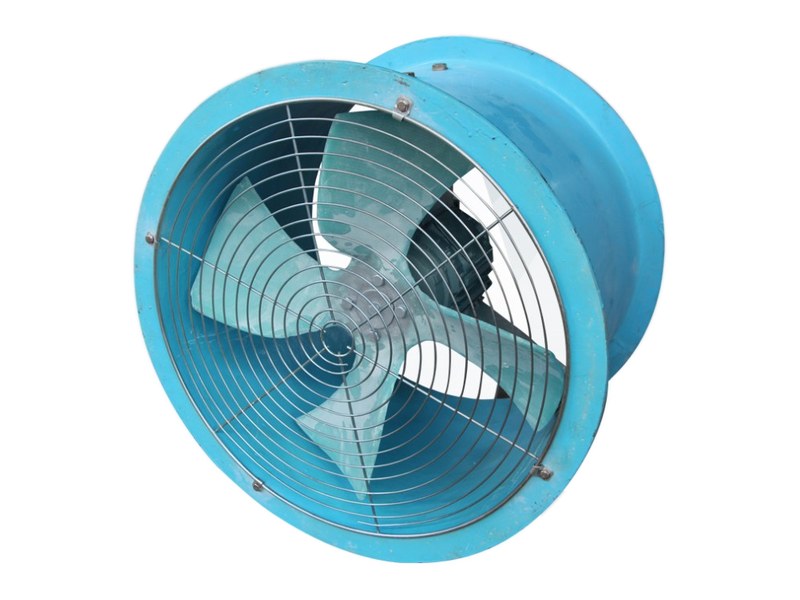 BT35 Series axial fanFlameproof motor · 826–67892 m³/hView product ›
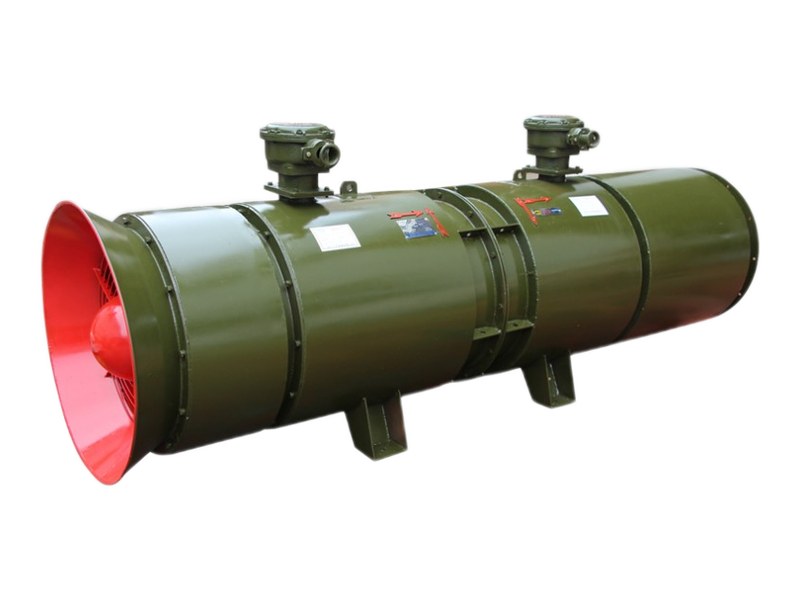 FBDY mine ventilation fanContra-rotating · 113–1250 m³/minView product ›
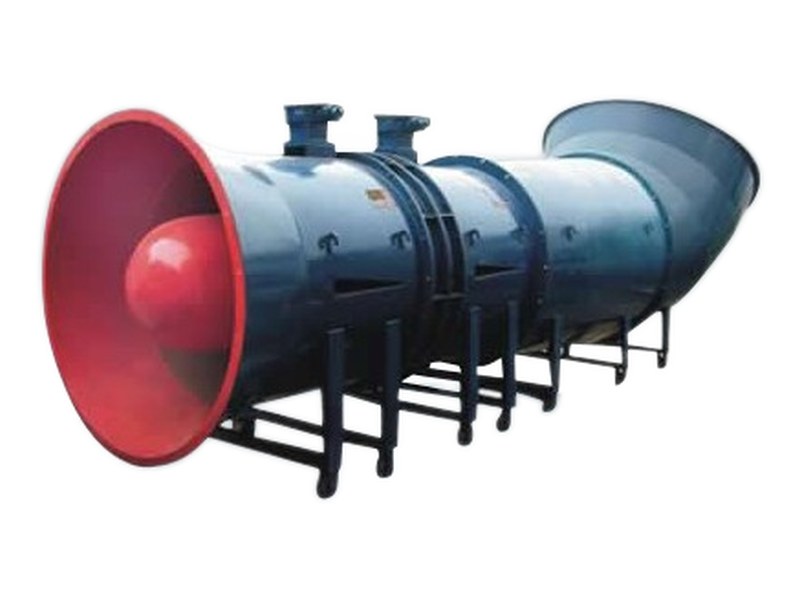 FBDCZ mine main fanSurface/underground · 2×15–2×355 kWView product ›
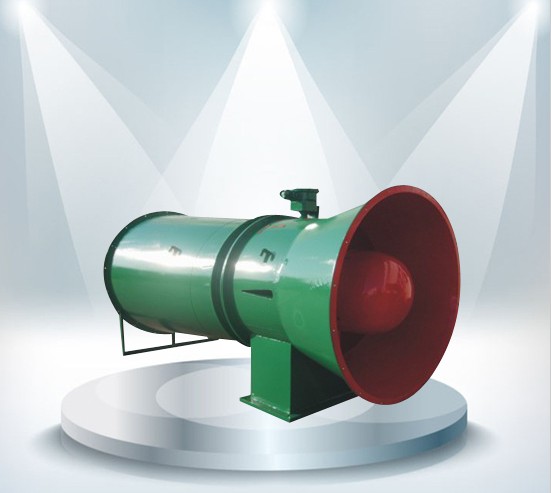 FBCZ surface main fanLarge flow · 5.5–132 kWView product ›
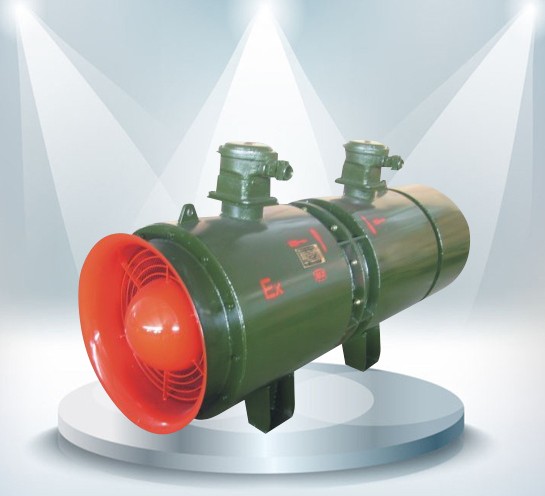 FBCD extraction-type fanUnderground · 2×5.5–2×45 kWView product ›
Other fan sizes and air volumes are available to order. Give us the required air volume and static pressure and we will confirm the closest model.
Request a quote
Send the required air volume (m³/h), static pressure, zone and gas group for an indicative specification.
Fan selection starts with air volume, not with the fan
A hazardous-area fan is chosen from the duty, not from a picture. Before any model can be confirmed, three numbers are needed: the air volume to be moved (m³/h), the static pressure the system has to overcome, and the zone and gas group of the space being ventilated. Ducting, filters and dampers add pressure, so a fan that is right for an open wall position is often the wrong one once a duct run is added.
- Air volume — from the ventilation calculation for the space, or from the required air changes per hour.
- Static pressure — the resistance of the duct, louvre, grille or filter system the fan has to work against.
- Zone and gas group — taken from the area classification drawing for the space, not from the equipment being cooled.
- Mounting — wall, ceiling, inline in a duct, or portable for maintenance work.
- Supply — AC 220 / 380 V in the standard range.
Why hazardous-area fans are built differently
A fan in a classified area moves air that may carry flammable vapour or dust, and the impeller sits directly in that stream. Three consequences follow. The motor is flameproof (Ex d IIC) or increased safety (Ex e), with motor ingress protection of IP54 / IP55 so that dust and water do not reach the windings. The impeller is anti-static, so that it cannot accumulate and discharge a static charge while running. And the housing is corrosion-resistant, because ventilation equipment is usually mounted high up and often outdoors, where it is difficult to service.
Which type fits the space
| Type | Where it is used | What to check |
|---|---|---|
| Axial fan | General ventilation of rooms, cabinets and enclosures with a short, straight air path | Whether the air path is free enough for an axial unit, or needs pressure from a centrifugal |
| Wall-mounted exhaust fan | Extracting from a single space through an external wall | Wall thickness and the louvre or weatherproof hood on the outside face |
| Ceiling ventilation fan | Rooms where the exhaust point has to be overhead | Access for maintenance from above |
| Portable ventilation fan | Confined-space entry, tank cleaning and shutdown work | Duct length and the duties the unit is carried between |
| Inline duct fan | Ducted systems where the fan is fitted in the run | Static pressure of the whole duct system, not just the fan |
Ambient and duty
The standard range is rated for −20 to +50 °C. Ventilation plant often sits in the hottest place available — under a roof, above a process unit, next to a compressor — so if the local ambient is higher than that, say so before the model is fixed. Air volume and pressure are quoted for a duty point; moving that duty point changes the absorbed power and the motor size.
Frequently asked questions
Can an ordinary industrial fan be used in Zone 2?
Only if the assembly is certified for the zone. A standard fan with a non-sparking motor is not automatically acceptable, because the impeller and the clearances are part of the assessment.
What is the anti-static impeller for?
It prevents static charge building up on a rotating part in a flammable atmosphere. It is one of the reasons a hazardous-area fan cannot simply be a repainted standard unit.
Why IP54 / IP55 for the motor when the luminaires are IP66?
They are rated for different duties. The motor rating covers its own enclosure against dust and water; the fan installation as a whole still has to be arranged so that water and dust do not accumulate at the intake.
Can you supply fans with a duct and hood?
Tell us the duct run and the wall arrangement and we will confirm the fan together with the accessories needed to complete the installation.
What air volume should I ask for?
The volume from your own ventilation calculation, or the number of air changes per hour required for the space. Give us that with the static pressure and the zone, and we will confirm the closest model.
What to send us for a quote
- Required air volume (m³/h) and static pressure
- Zone and gas group of the space
- Mounting type: wall, ceiling, inline duct or portable
- Supply voltage and frequency
- Duct arrangement, local ambient and quantity
Request a quote with the air volume, static pressure, zone and gas group and we will confirm the closest model.
Take a video tour of the factory to see the die-casting foundry, machining, assembly lines and packing areas behind our explosion-proof fans.
Explosion-Proof Fans: Frequently Asked Questions
Sizing, speed control and construction questions we handle on most hazardous-area ventilation enquiries.
How do I size the airflow for a hazardous-area ventilation fan?
Start from the air changes per hour the space requires, then multiply by the room volume to get m³/h. Typical values are 6–12 ACH for general process buildings and up to 20 ACH or more for battery rooms and areas where lighter-than-air gas can accumulate at high level. Add roughly 20–30 % on top when ducting, filters or louvers create static pressure, and check the fan curve at that duty point rather than at free-air delivery.
Can an explosion-proof fan be controlled by a VFD?
Only when the motor and the drive are assessed as a system. IEC 60079-14 requires the variable frequency drive to be installed outside the hazardous area or in a suitably protected enclosure, and the motor needs winding thermistors or PTCs plus a declared maximum frequency, because harmonics and low-speed cooling can push surface temperature beyond the marked class. We confirm the approved frequency range and thermal protection for each fan and drive combination before shipment.
What is the difference between the CBF, BT35, FB, FBDY and FBDCZ fan types?
CBF is a general-purpose explosion-proof axial fan for Zone 1 and Zone 2 process ventilation. BT35 is an axial fan with good resistance to mildly corrosive atmospheres and is widely used for wall and roof mounting. FB is an oscillating fan for local air movement and worker comfort in hot areas. FBDY and FBDCZ are mine flameproof contra-rotating fans used for local extraction and main ventilation in coal and tunnel applications, where a higher pressure capability is needed.
How do you avoid sparking inside the fan?
Two rules matter most. First, the impeller is aluminium or another non-sparking material, and steel-on-steel rubbing contact is designed out, because a single spark is enough to ignite a flammable atmosphere. Second, the motor is flameproof and the terminal box is sealed, so any internal fault is contained. Where abrasive dust is present we also specify wear-resistant impeller edges to keep clearances stable.
Question not answered here? Send it to our engineering team — we answer hazardous-area selection questions with the relevant standard referenced.
Related: explosion-proof electrical apparatus, explosion-proof lighting, cable glands and conduit fittings.